

Table of Contents
By Roosevelt Naylor
What Does “Porting” Mean?
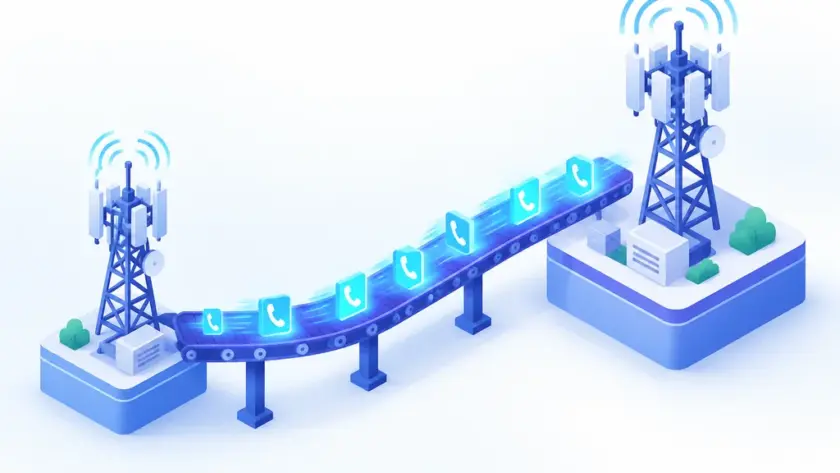
In software, “porting” means adapting code to run on a different platform or operating system. In telecom, the word means something else entirely. It refers to moving an existing phone number from one carrier or platform to another while keeping the same digits. This article is about the second sense. If you are switching business phone providers and want to keep the number your customers already know, the process below is what you are dealing with. A business number often appears on invoices, signage, and years of customer contact lists, so losing it during a provider switch creates real friction well beyond a brief service gap.
How Phone Number Porting Works
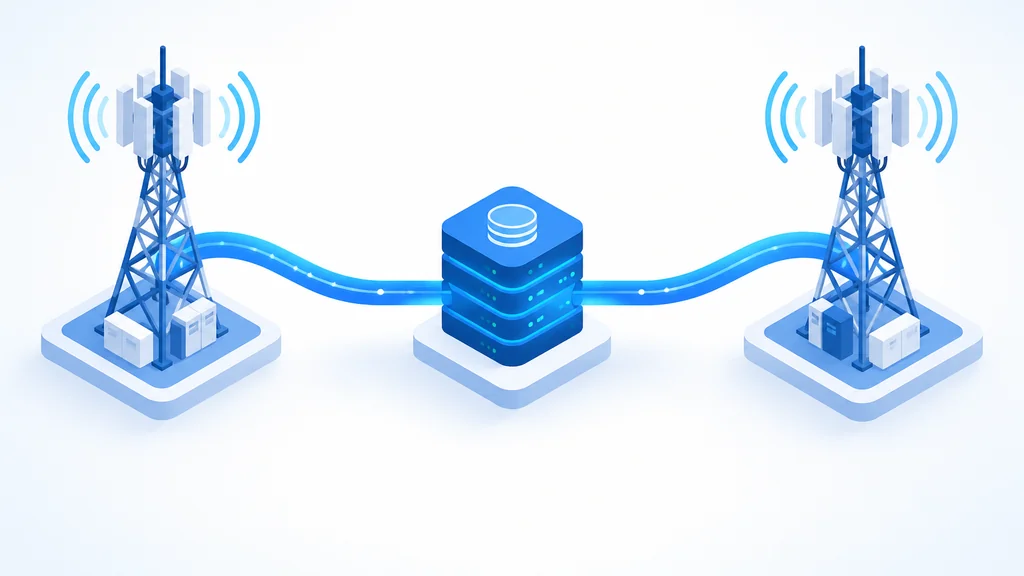
Two parties drive every port.
- Losing carrier
- The provider you are leaving. It does not initiate the move, and in most cases does not need to approve it beyond responding to the request.
- Gaining carrier
- The provider you are moving to. You request the port through this carrier, not the one you are leaving.
That detail trips people up early for anyone used to thinking of the old provider as the one in charge.
For standard numbers (mobile, landline, and VoIP), routing runs through the Number Portability Administration Center (NPAC). NPAC is the authoritative national database that tracks ported and pooled numbers. When your number ports, NPAC updates the routing record so incoming calls reach the gaining provider instead of the old one. That update is what actually makes the switch work at the network level.
The FCC’s local number portability rules require wireline, wireless, and intermodal carriers to port numbers without unreasonable delay or procedural barriers. That obligation is the reason a port can proceed even when the losing carrier is not enthusiastic about losing your account.
What Types of Numbers Can Be Ported
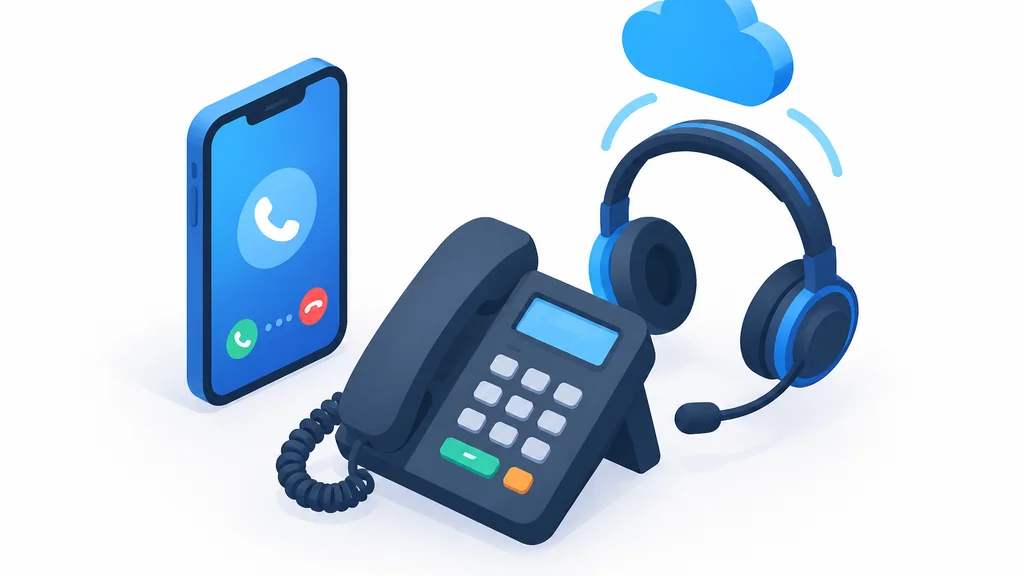
Mobile, landline, and VoIP numbers can generally be ported, and all three move through NPAC. Wireline-to-wireless porting has its own rule. It is required where the gaining wireless carrier’s coverage area overlaps the number’s provisioned location, and the number’s original rate-center designation is preserved after the port.
Toll-free numbers are the exception, and it is a real one. Toll-free (8XX) numbers are not in NPAC. They move through a RespOrg (Responsible Organization) change in the SMS/800 toll-free registry, a separate process with a separate set of players. If someone tells you a toll-free number ports “just like any other number,” they are describing the wrong system. Expect a RespOrg change to take roughly 5 to 15 business days, depending on how cooperative the current RespOrg is. This is why toll-free porting requires different administrative processes.
How to Port a Business Phone Number: Step by Step
1. Verify portability with the gaining provider. Before you sign anything, confirm the number can actually move to the new provider. Ask the gaining carrier to check it. Some numbers cannot be ported to a given provider for reasons that have nothing to do with paperwork, and it is better to learn that at the start. Have the number itself and the account holder’s name ready when you ask; most gaining carriers can confirm portability over the phone or through an online lookup tool.
2. Gather your account information. You will need the account number and the billing name and address exactly as they appear on your current bill. Not your legal name if it differs. Not a nickname. Not the address of the office you moved into last year. The details on the bill are what the losing carrier matches against, and a mismatch is a common reason a port stalls or gets rejected.
3. Sign the Letter of Authorization (LOA). The LOA is the document that authorizes the gaining carrier to act on your behalf and request the number from the losing carrier. It typically carries your account details and your signature. Fill it out carefully. The same exact-match discipline from step two applies here.
4. Keep the old service active until the port completes. Do not cancel your current service in anticipation of the port. If the old line is disconnected before the port finishes, the number can be released and the port can fail. Wait until the gaining provider confirms the port is complete, then deal with the old account.
5. Test the number once it is live. After the port completes, call the number from another line and confirm it rings where you expect. Test inbound and outbound. Check that voicemail and any auto-attendant routing survived the move. A port that technically completes can still leave configuration gaps on the new platform.
Porting Between Business Phone Platforms (VoIP/SaaS)
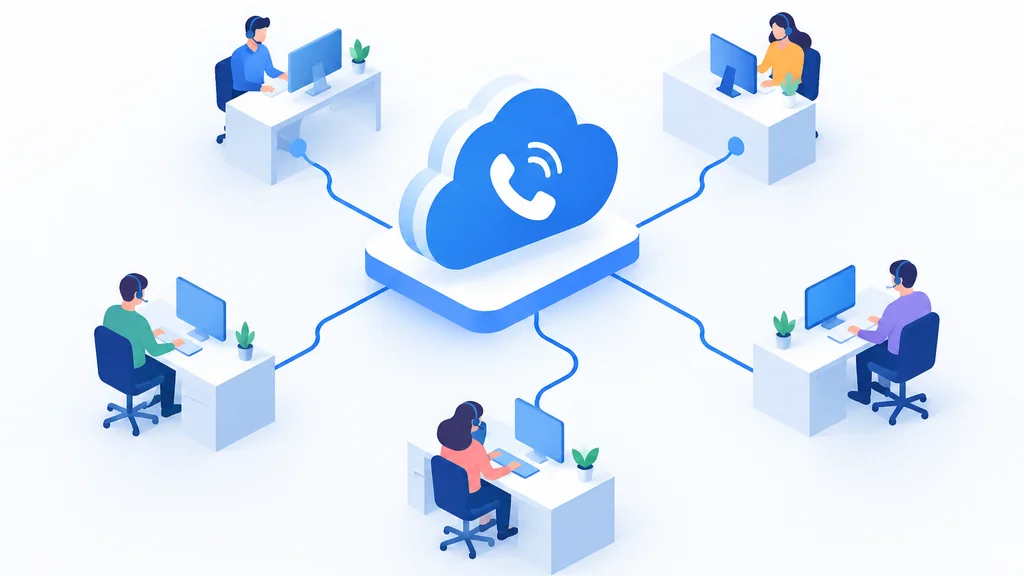
Switching business VoIP or SaaS phone providers, whether RingCentral, Google Voice, Phone.com, or your current provider, follows the same mechanics as any other port. The platform you are leaving is the losing carrier; the platform you are moving to is the gaining carrier. The number moves through NPAC, and the FCC’s four-business-day expectation for non-simple and VoIP ports generally applies.
What differs on a SaaS platform is the surrounding configuration. Business phone systems carry more than a dial tone. Call flows, queues, extensions, integrations, and recorded greetings all live on the platform. The port moves the number. It does not move your configuration. Plan to rebuild or export what you need on the new platform before cutover, and confirm with the gaining provider what they require for the LOA and account verification. Pricing and feature differences between platforms are a separate decision from the port itself; this article does not evaluate them.
Common Porting Problems and How to Avoid Them
Mismatched account information. This is a frequent failure point. Ports do not usually fail because the carrier is slow. They fail because the name on the new account does not match the name on the old bill, letter for letter. Pull a recent bill and copy the details exactly.
Cancelling old service too early. Disconnecting the line before the port completes can release the number and kill the request. Keep the old service running until the gaining provider confirms the switch.
A rejected or stuck port. A port can be rejected for information mismatches, an unsigned or incomplete LOA, or a number that the losing carrier’s records show as inactive. When that happens, the request typically has to be corrected and resubmitted, which restarts the clock. If a port seems stuck, ask the gaining provider for the specific rejection reason.
A pending request on the same number. Submitting a new port request while an earlier request for that number is still open, whether with the same carrier or a different one, usually gets the newer request rejected until the first one is resolved. Confirm there is no outstanding request on the number before you start a second one.
You cannot fix what you cannot see.
How Long Does Number Porting Take?
The FCC sets these intervals by port type, regardless of how motivated anyone involved is.
- Simple local ports — wireline-to-wireline and simple intermodal — must complete within 1 business day.
- Non-simple and intermodal ports, including VoIP, generally must complete within 4 business days.
- Wireline-to-wireless ports can run longer than the 1-day minimum depending on how the carriers coordinate.
- Toll-free ports are not on this clock at all. They run through the RespOrg change in SMS/800, typically 5 to 15 business days depending on the current RespOrg’s cooperation.
Treat these as the regulatory expectations, not a promise about your specific port. A rejected request that has to be resubmitted, or a coordination problem between carriers, can push the actual completion past these windows.
Conclusion
Porting a business number comes down to a few disciplined steps: verify portability, copy your account details exactly, sign the LOA, keep the old service alive, and test after cutover. Standard numbers move through NPAC; toll-free numbers move through a RespOrg change in SMS/800. Mismatched information and early cancellation are both avoidable causes of port problems. Plan for the FCC intervals, leave room for a resubmission, and confirm completion with the gaining provider before you touch the old account. None of these steps requires specialized telecom knowledge, just the discipline to match your paperwork and wait for confirmation before changing anything else. Build that discipline into your migration checklist once, and every future port for the business follows the same routine.
FAQ
What does porting mean? The word has two unrelated uses. Developers use it for adapting code to run on a different platform. This article covers the telecom use, where your existing digits keep working while your service account moves from one carrier or platform to another.
Can you port a landline number to a VoIP service? Yes, in many cases. Landline and VoIP numbers both move through NPAC, and the FCC requires wireline carriers to port numbers without unreasonable delay. VoIP ports generally fall under the 4-business-day expectation for non-simple and intermodal ports. Confirm portability with the gaining provider first.
Do I lose service while my number is being ported? The port itself is a routing change, but the practical answer depends on your setup. The bigger risk is cancelling your old service before the port completes, which can release the number and cause the port to fail. Keep the old line active until the gaining provider confirms the switch.
What is a Letter of Authorization (LOA) in number porting? It is the document that authorizes the gaining carrier to request your number from the losing carrier on your behalf. It typically includes your account details and your signature. Exact form fields vary by carrier, so follow the gaining provider’s instructions and match your account information exactly.
Can a number porting request be rejected? Yes. Common causes include mismatched account information, an incomplete or unsigned LOA, or records showing the number as inactive. A rejected request usually has to be corrected and resubmitted, which can extend the timeline. Ask the gaining provider for the specific rejection reason.
Is there a fee to port a phone number? It depends on the carrier and the type of port. There is no single fee that applies everywhere. Ask the gaining provider directly what, if anything, they charge to port your number before you sign the LOA.
Does porting affect my voicemail or call settings? Porting moves the number itself, while the configuration sitting behind it stays on the old platform. Voicemail greetings, auto-attendant menus, and call-routing rules do not automatically carry over, so set them up on the new platform before cutover and test them once the port completes.
Thank you for reading!